













 8 min
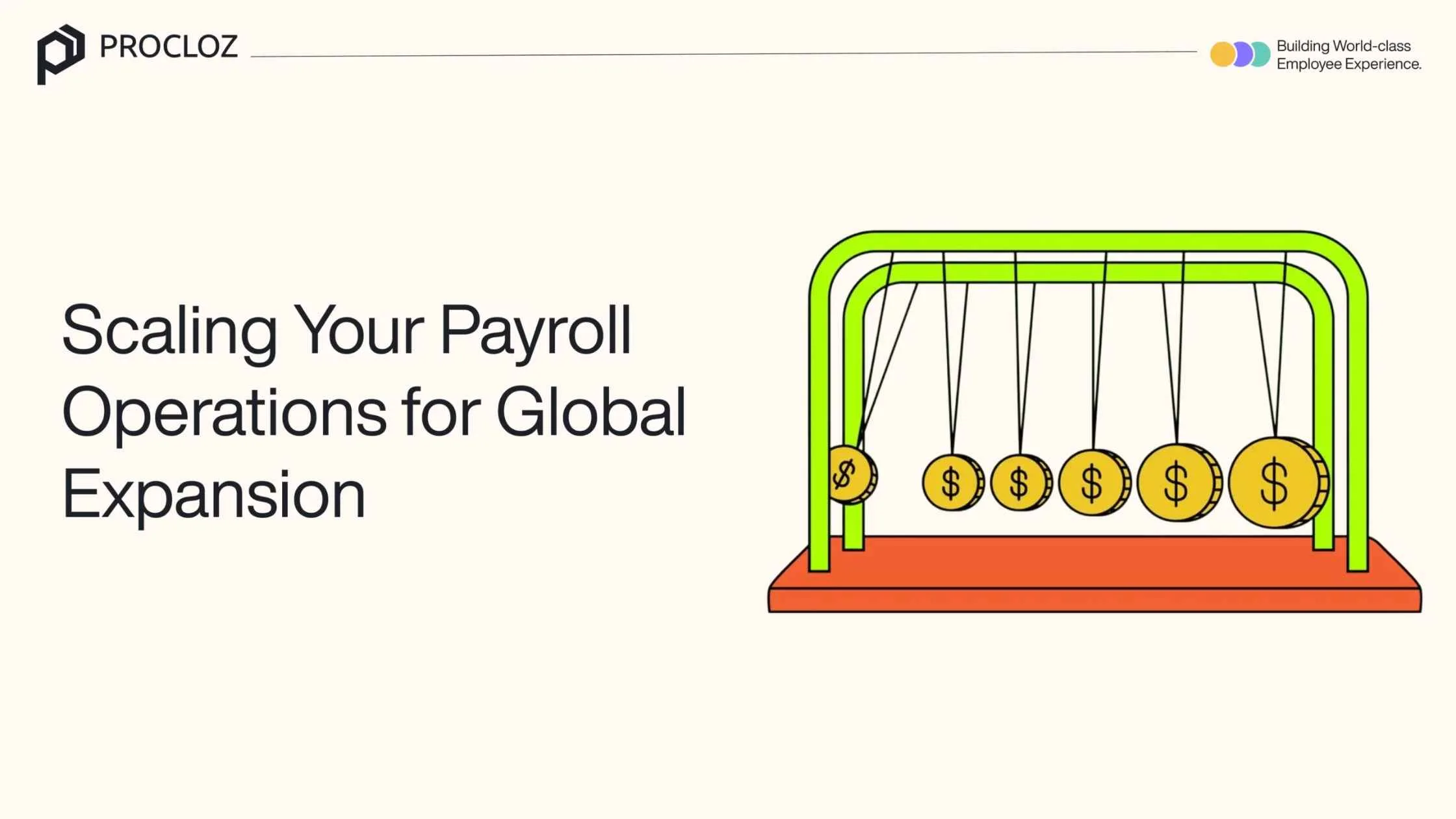
8 min Expanding across borders is a thrilling time, but hidden in the background of big dreams for bigger markets are all those little details related to payroll that could stall your plans.
Hiring international employees quickly leads to complexities involving tax systems, currencies, labor laws, and reporting timelines. Without preparedness for scalability, payroll transitions from a back-office task to a growth impediment, especially as new markets are entered.
This blog provides a detailed step-by-step guide to payroll for global expansion.
Is Your Payroll System Ready for The Global Market?
Evaluating Current Infrastructure
Businesses must assess their payroll systems for handling international complexities, including multi-country transactions, currencies, tax types, and reporting needs.
Typical shortcomings are outdated technology, manual processes, and a lack of in-house expertise. If payroll is heavily dependent on spreadsheets or localized workarounds, scaling up will very quickly reveal those vulnerabilities.
Pre-Expansion Checklist
Before expanding, employers should ask:
- Is payroll capable of multi-country calculations and filings?
- Will payroll easily interlock with HR and finance systems?
- Will there be data migration and any systems integration?
- Do they have the budget, and are they ready to scale up their payroll?
These are the questions that can decide whether payroll for global expansion is ready or needs reinforcement.
How Do You Handle Multi-Country Payroll Complexity?
Tax Variations Across Borders
Each country has its own set of tax regulations that determine the rules for withholding and filing. Payroll needs to get it right for each jurisdiction on the tax calculation and remittance side, and do it in accordance with local reporting requirements.
Currency Management
Cross-border wage payments bring exposure to exchange rate risks and difficulties in timing. Employers need to consider local or home currency payment options and the effective management of conversion effects.
Regulatory Differences
Wage intervals, required benefits, worker classifications, and legal deductions vary from country to country. Dealing with these differences in a consistent manner is one of the largest difficulties when it comes to global expansion and payroll.
What Does Standardized Payroll Processing Look Like?
Creating Repeatable Workflows
Standardization is not to be confused with ignoring local rules. It’s creating repetitive payroll workflows that scale with local needs, without having to re-invent the wheel every time.
Well-documented with a pay template and standard operating procedures reduce dependency on individual knowledge.
Centralized vs. Localized Approach
Effective methodologies for payroll combine the global hiring solutions and local expertise. Centralised processes remain at the core, allowing country-specific needs to be addressed in each territory. Establishing this split early on can avoid teams from outscaling.
How Can You Create a Scalable Compliance Infrastructure?
Staying Updated on Labor Laws
Payroll compliance mandates keeping an eye on labor laws at all levels of government. Compliance calendar: An automated tool that records filing due dates, reporting periods, and regulation changes by country.
Employment Contracts and Documentation
Employment Agreements should be made in accordance with existing local laws. You will also be required to keep payroll records meeting country-specific retention requirements.
Audit Preparedness
As operations expand, so do the chances for audits. By keeping impeccable records and running regular compliance checks, there’s no need to scramble at the last minute.
Which Technologies Facilitate Growth in the Payroll Service?
Global Payroll Platforms
A scalable payroll software should support multi-country rules, automation, and integration with HR or accounting systems. This is one of the reasons many companies turn to global payroll services as they grow.
Automation and AI
Automation minimizes human error and enables real-time payroll reporting. It also enhances visibility of costs, headcount, and compliance status.
Cloud-Based Solutions
Cloud infrastructure makes it easy for the teams working in dispersed locations to get secure access to payroll information while maintaining scalability and system reliability.
What Are the Key Risks to Consider When You’re Scaling Payroll Quickly?
Common Payroll Errors During Expansion
Rapid growth often leads to:
- Worker misclassification.
- Missed tax deadlines.
- Incorrect filings.
- Payment delays and currency errors.
Risk Mitigation Strategies
Many production problems can be stopped by testing payroll setups before launch, validating calculations, and developing contingency plans to lessen the impact. Many businesses also operate with local experts or employer of record services as they expand early to effectively mitigate risk.
How Do You Future-Proof Your Global Payroll Strategy?
Successful global expansion through payroll is supported by six pillars: readiness, complexity optimization, standardization, compliance, technology, and risk management. Overlooking any one of them can be a dampener on growth.
Companies will have to consider whether to scale their payroll in-house or outsource it as it becomes more complex. Payroll also has to align with your wider global expansion strategy, not work against it.
Procloz assists organizations in building payroll operations that can scale worldwide while maintaining compliance and control. Whether it’s your first international market or managing multi-country growth, Procloz helps take the pain out of expanding and managing a global payroll system.
If you’re equipping your company for a global expansion, evaluate your payroll readiness and work with Procloz to ensure payroll infrastructure that’s ready for any level of growth.
Frequently Asked Questions (FAQs)
1. What is payroll for global expansion?
Payroll for global expansion refers to setting up payroll systems, processes, and compliance frameworks that can support hiring and paying employees across multiple countries as a business grows.
2. When should companies prepare payroll for global expansion?
Companies should prepare payroll before entering new markets. Waiting until after hiring internationally often leads to compliance issues, payment delays, and system rework.
3. What are the biggest payroll challenges during global expansion?
Common challenges include managing multiple tax systems, currencies, labor laws, reporting requirements, and maintaining payroll accuracy across countries.
4. Can companies scale payroll using existing systems?
Some systems can scale short-term, but most domestic payroll setups struggle with multi-country rules. Scaling often requires new technology, standardized processes, or external support.
5. How can companies reduce payroll risk during rapid expansion?
By standardizing workflows, auditing payroll data, monitoring compliance requirements, testing systems before launch, and using experienced global payroll or EOR partners when needed.