Expanding operations globally signifies success, yet payroll often lags behind recruitment efforts. Many companies announce new geographical ventures before their payroll systems are ready, leading to unfiled tax registrations, missing tax ID numbers, and...
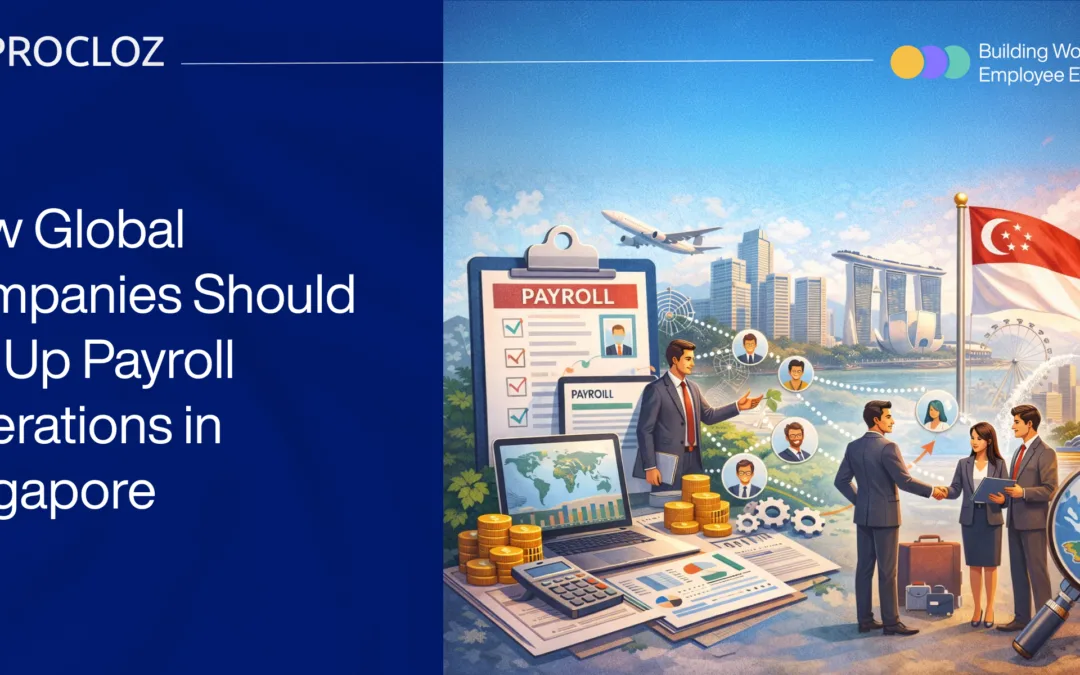
Setting up operations in Singapore is often perceived as simple, as the country has a digital and stable regulatory system and structured enforcement. However, mistakes on payroll are still frequent. Businesses often do not configure payroll operations correctly in...
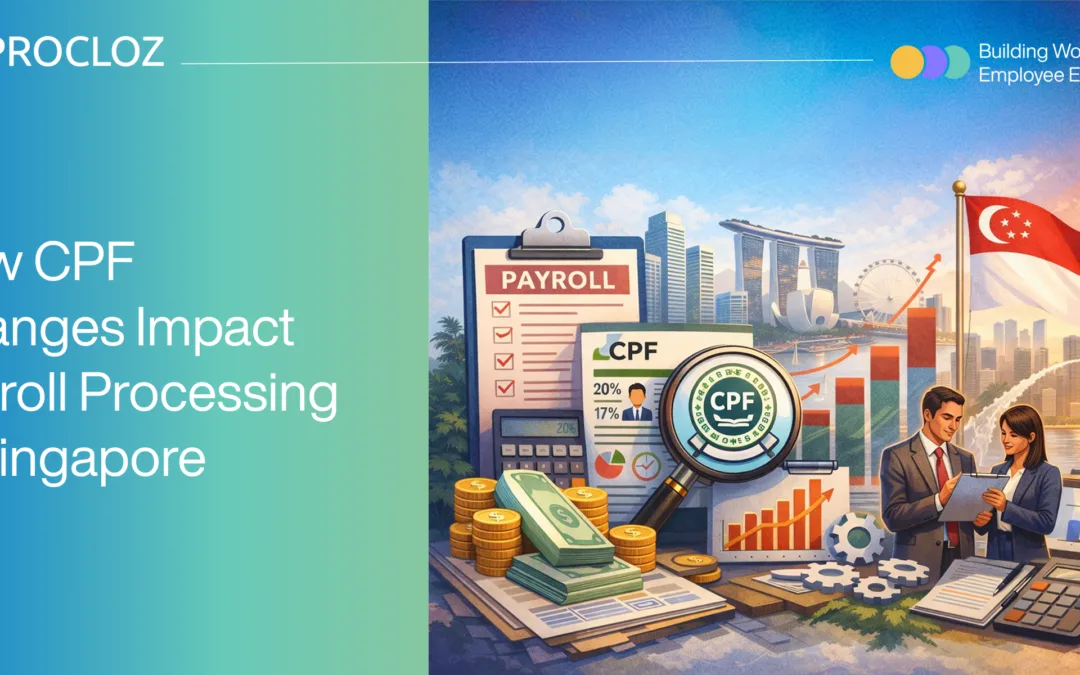
Changes in the CPF are not only with regard to contribution rates. They impact payroll flow, employee net pay, reporting procedures, and employer compliance risk. Payroll teams need to act fast upon the announcement of CPF changes Singapore. Charging incorrect rates...
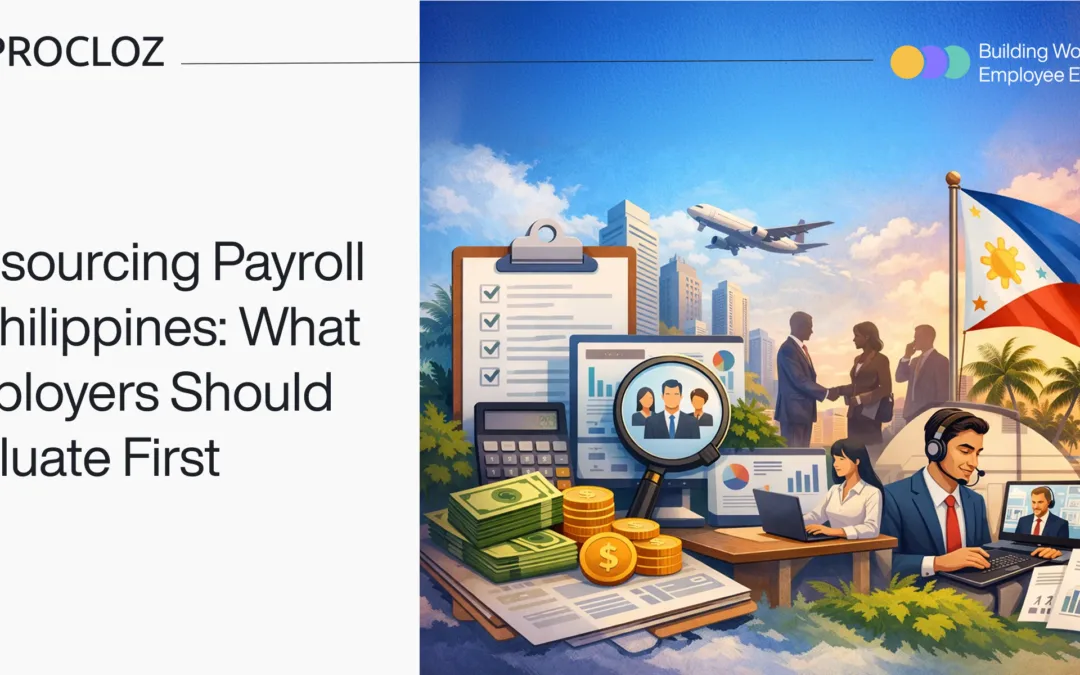
In the Philippines, payroll is more complicated than just calculating an employee’s salary. There are multiple government agencies to deal with, mandatory employee contributions, and strict filing deadlines. To address payroll complexity, companies use payroll...
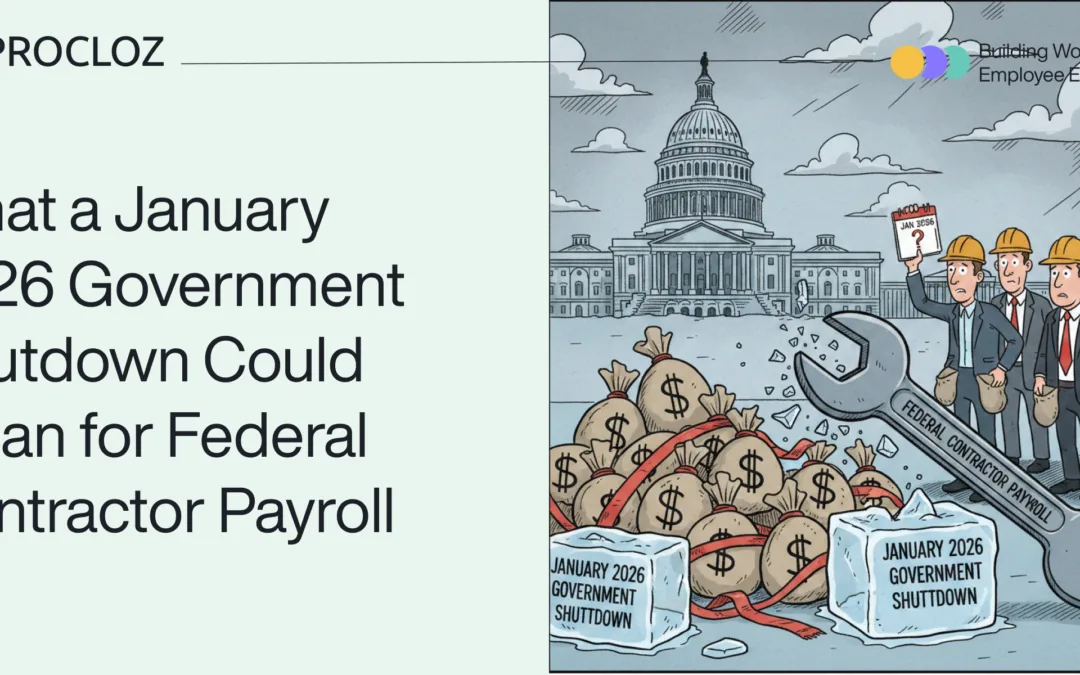
A government shutdown begins with uncertainty and not paycheck failures. Funding paused, contract officers went silent, and agencies issued stop-work orders. Meanwhile, payroll teams are left wondering, “What now?” Now this is where contractor payroll...
Emerging markets present incredible growth potential, but don’t let payroll be the roadblock! With banking restrictions, shifting regulations, and unreliable infrastructure, standard payroll systems designed for developed countries might just fall short. Many...