













Last updated: May 2026
Risk mitigation and compliance are now daily operating priorities, not annual checklist items.
In 2026, businesses face shifting employment laws, payroll rules, data privacy requirements, tax obligations, and cross-border workforce risks.
Uncertainty can come from market changes, regulatory updates, remote work, technology, supply chains, or rapid expansion.
The strongest companies do not wait for risk to become a crisis. They build systems that identify, reduce, and monitor risk early.
What Risk Mitigation Means
Risk mitigation is the process of identifying possible threats and reducing their impact before they disrupt the business.
These risks may be financial, operational, legal, regulatory, technological, or workforce-related.
Compliance means following the laws, standards, policies, and reporting obligations that apply to the business.
Together, risk mitigation and compliance help companies protect operations, employees, customers, and reputation.
Why Risk and Compliance Matter More in 2026
The 2026 business environment is more connected and more regulated.
Companies now manage distributed teams, digital payroll systems, remote work policies, international hiring, and stricter data handling expectations.
A small compliance gap can create bigger problems when teams operate across multiple countries.
Payroll errors, worker misclassification, missed filings, weak controls, or poor documentation can quickly become audit issues.
The goal is not to eliminate every risk.
The goal is to know which risks matter most, who owns them, and how the business will respond.
Common Business Risks in 2026
Every company has a different risk profile, but most growing businesses face similar pressure points.
| Risk Area | What Can Go Wrong | Compliance Impact |
|---|---|---|
| Payroll | Incorrect pay, tax, deductions, or filings | Penalties, audits, employee disputes |
| Employment law | Weak contracts or outdated policies | Legal claims and regulatory exposure |
| Worker classification | Contractors treated like employees | Back pay, benefits, tax, and labor risk |
| Data privacy | Poor handling of employee or customer data | Breach exposure and privacy violations |
| Remote work | Employees working across jurisdictions | Tax, payroll, and labor law complexity |
| Internal controls | Unclear approvals or poor monitoring | Fraud, errors, and audit gaps |
| Vendor management | Weak third-party oversight | Contract, security, and service risk |
This is why risk management must sit across HR, finance, legal, IT, payroll, and leadership.
Step 1: Conduct Regular Risk Assessments
A risk assessment helps the business identify what could go wrong and how serious the impact may be.
It should review internal processes, legal obligations, payroll systems, employee records, vendor dependencies, and market exposure.
Each risk should be scored by likelihood, impact, and urgency.
This helps leadership focus on the risks that can cause the most damage.
| Risk Question | Why It Matters |
|---|---|
| What process is exposed? | Shows where the risk sits |
| Who owns the risk? | Prevents accountability gaps |
| What law or policy applies? | Connects the risk to compliance |
| What controls exist today? | Shows whether current safeguards work |
| What action is needed next? | Turns review into execution |
Risk assessments should not happen only after a problem.
They should happen before expansion, new hiring, system changes, payroll transitions, and major policy updates.
Step 2: Track Regulatory Changes
Regulations can change quickly, especially in employment, payroll, tax, privacy, and worker classification.
Companies need a reliable way to track updates and turn them into action.
This may include legal newsletters, government alerts, compliance partners, payroll providers, and internal compliance owners.
Procloz’s guide on compliance risk management explains why monitoring, ownership, and review cycles are essential for regulated operations.
Tracking changes is only useful when someone is responsible for applying them.
Each update should lead to a policy, process, payroll, or documentation review.
Step 3: Strengthen Payroll Compliance
Payroll is one of the highest-risk compliance areas because it directly affects employees and regulators.
Companies must manage wages, tax withholding, benefits, deductions, payslips, records, reporting, and payment timelines.
For businesses operating in Australia, outsourced payroll services Australia can support local payroll processing and compliance requirements.
For teams with U.S. operations, outsourced payroll services United States can help manage payroll complexity across federal, state, and local requirements.
Payroll compliance works best when HR, finance, and payroll data stay aligned.
Employee status, compensation, benefits, tax details, and working location should be reviewed before every payroll cycle.
Step 4: Build Strong Internal Controls
Internal controls reduce the chance of errors, fraud, missed approvals, and compliance gaps.
They also create a record of how decisions were made.
Useful controls include approval workflows, access limits, audit trails, payroll reconciliations, and document retention rules.
Controls should be simple enough for teams to follow and strong enough to hold up during review.
| Control | Purpose |
|---|---|
| Segregation of duties | Prevents one person from controlling the full process |
| Approval workflows | Confirms decisions before action is taken |
| Access reviews | Limits sensitive data to the right people |
| Payroll reconciliation | Catches errors before payment |
| Audit trails | Shows who changed what and when |
| Policy reviews | Keeps internal rules current |
Controls should be tested regularly.
A policy that exists but is not followed will not protect the business.
Step 5: Train Employees on Compliance
Compliance cannot sit only with legal or finance teams.
Employees need to understand the rules that affect their work.
Training should cover data privacy, workplace conduct, payroll approvals, expense claims, anti-fraud controls, and reporting channels.
Managers should receive extra training because their approvals often create compliance records.
Training should be practical and role-based.
Employees need to know what to do, when to escalate, and who to contact.
Step 6: Prepare Contingency Plans
Risk mitigation also means planning for disruption.
A contingency plan helps the business respond when something breaks, changes, or escalates.
Common scenarios include payroll delays, system outages, compliance audits, regulatory updates, vendor failures, and workforce changes.
Each plan should define ownership, communication steps, backup processes, and recovery timelines.
| Scenario | Planning Focus |
|---|---|
| Payroll system failure | Backup payroll process and employee communication |
| Compliance audit | Document access, response owner, and review timeline |
| Regulatory change | Policy update, payroll review, and manager training |
| Data incident | Containment, reporting, legal review, and remediation |
| Vendor failure | Backup provider, contract review, and service continuity |
A plan is only useful if teams know it exists.
Review and test contingency plans before they are needed.
Step 7: Use Technology Without Losing Oversight
Technology can improve compliance monitoring, reporting, payroll accuracy, and document control.
It can also create risk if teams rely on automation without review.
Businesses should use systems that provide alerts, audit trails, access controls, and clear reporting.
Human review is still needed for unusual cases, sensitive decisions, and regulatory interpretation.
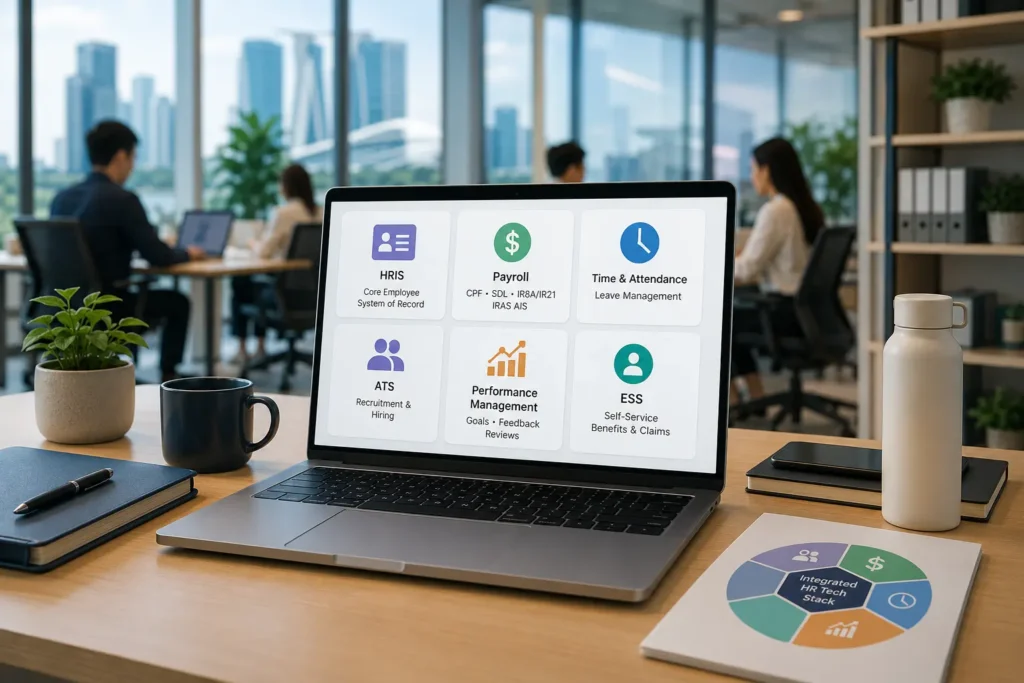
Procloz’s guide on integrated HR and payroll systems explains how connected systems can reduce gaps between employee data and payroll decisions.
The right technology should make compliance easier to monitor.
It should not hide risk inside automated workflows.
Step 8: Manage Cross-Border Workforce Risk
Hiring across borders adds employment law, payroll, tax, data privacy, and classification complexity.
A remote employee in another country can create obligations that the business may not expect.
Before hiring internationally, companies should review worker status, local contracts, payroll setup, benefits, tax obligations, and data transfer rules.
Procloz’s guide on remote work compliance risks shows why location matters when employees work outside the company’s home market.
Cross-border risk should be reviewed before the offer letter is issued.
Fixing compliance gaps after employment begins is usually harder.
Step 9: Consider Outsourcing Where Risk Is High
Some compliance tasks require specialist knowledge.
This is especially true for payroll, employment law, worker classification, tax reporting, and international hiring.
Outsourcing can help when internal teams lack local expertise or do not have capacity to monitor changing rules.
It can also add stronger processes, reporting, and documentation.
Outsourcing does not remove company responsibility.
The business still needs oversight, clear approvals, accurate data, and strong vendor governance.
How Procloz Supports Risk and Compliance
Procloz helps businesses manage workforce, payroll, and compliance complexity across markets.
Its global payroll services support payroll accuracy, reporting, and compliance visibility for growing teams.
For companies expanding into unfamiliar countries, Procloz’s in-country expertise helps connect local rules with practical execution.
This matters because compliance is not just knowing the law.
It is applying the right process at the right time, with the right records in place.
Final Thoughts
Risk mitigation and compliance in 2026 require structure, ownership, and regular review.
Companies need to assess risks, monitor regulatory changes, strengthen payroll controls, train teams, and prepare for disruption.
The businesses that handle uncertainty best are not the ones with the longest policy documents.
They are the ones with clear responsibilities, reliable systems, current data, and a habit of acting before risk escalates.
Frequently Asked Questions on Risk Mitigation and Compliance
What is the best way to mitigate compliance risks?
The best way to mitigate compliance risks is to identify key obligations, assign ownership, build internal controls, and review processes regularly. Companies should monitor regulatory changes, train employees, and keep accurate records. Risk mitigation works best when it becomes part of daily operations, not a one-time annual review.
Why is payroll compliance a major business risk?
Payroll compliance is a major risk because errors affect wages, taxes, benefits, filings, and employee trust. Mistakes can lead to audits, penalties, disputes, and reputational damage. Companies should reconcile payroll data, review employee records, maintain approvals, and update processes when local rules change.
How can businesses stay compliant during uncertainty?
Businesses can stay compliant during uncertainty by tracking regulatory updates, reviewing risk exposure, testing internal controls, and preparing contingency plans. They should also document key decisions and train managers on compliance responsibilities. External experts can help when regulations are complex or vary by country.
When should a company outsource compliance support?
A company should outsource compliance support when internal teams lack local expertise, capacity, or technical knowledge. This is common during global expansion, payroll changes, remote hiring, contractor reviews, and audit preparation. Outsourcing works best when the company keeps oversight and defines responsibilities clearly.